vesti

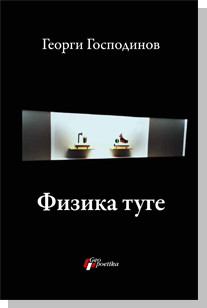
Fizika tuge

Georgi Gospodinov

Prevela s bugarskog Ivana Stoičkov

Godina izdanja: 2013

Format (cm): 20cm

Broj Strana: 344

ISBN: 978-86-6145-143-0

Cena: Rasprodato

Već na prvi pogled jasno je da je pred nama moderan roman. A koliko je još i moderniji na drugi pogled?
Gospodinov bez zazora preispituje granice žanra. To čini tako da nam se čini kao da je ovo jedan od poslednjih pokušaja da se dokaže da roman kao književni rod ima još oblika za izmišljanje, obogaćivanje i pokazivanje. Autor istovremeno lakonski i temeljno preispituje roman kao oblik književnog istraživanja, dovodeći ga u ozbiljnu sumnju, te ga potom, tako negiranog, uspostavlja u jednom novom melanžu. Fizika tuge nije više i samo eksperiment; ona je nova romaneskna vrednost. Istorija književnosti verovatno će ga jednoga dana označiti kao: a) prekretnički roman, b) izdajnički roman, ili v) jedan od poslednjih romana koji bi da obuhvate - sve.
Ovaj pre svega poetičan roman, vrlo tanane duše, priča je o fizici ali i metafizici tuge. Čine ga: montaža, kinematografska struktura, pauze, grafika, simboli, tišina, prividna fragmentarnost, samoća, minotaurska napuštenost, lavirinti, antički mitovi, praznina. To je istorija sveta ispričana pogledom nevažnih događaja, netipičnih stvorenja (od puževa do dinosaura i ljudi). U zbiru svega glavni junak je Ja smo. To ja smo ključ je romana: ono je oscilirajuće klatno između prvog i trećeg lica, jednine i množine. Autorska snaga, koja je u svim pričama i telima ove knjige, mnogo je šira od tzv. Sveznajućeg autora.
Roman - vremenska kapsula. Roman u koji se zaljubljuje.
Ako je originalni i uspešni Prirodni roman G. Gospodinova, preveden na 20 jezika, od kojih je srpski bio prvi u svetu (Geopoetika, 2001), bio postmoderan u najplemenitijem smislu reči, Fizika tuge je roman apokaliptičan u najrevolucionarnijem značenju reči.  50 Shades of Gay

50 Shades Of Gay -

In conclusion, "50 Shades of Gay" is a testament to the complexity of identity. It reminds us that sexuality is not a black-and-white issue, nor is it a single shade of "grey." Instead, it is a vibrant, shifting spectrum that refuses to be defined by a single narrative. To help me give you a better draft, could you tell me: Are you referring to a ? Is this for a class assignment or personal interest ?

Here is a brief essay exploring the cultural significance of this play on words. The Spectrum of Identity: Exploring "50 Shades of Gay"

The phrase "50 Shades of Gay" is most commonly associated with a popular stage show by comedian Rev. Des Drew (and various iterations of LGBTQ+ Pride themes), but as a concept, it serves as a playful subversion of the 50 Shades of Grey phenomenon.

I can refine the arguments once I know the you're looking for.

Parody is a vital tool for marginalized groups to claim space in the mainstream. By hijacking a pop-culture juggernaut like 50 Shades of Grey , the LGBTQ+ community signals its own visibility. It says that queer stories are just as capable of being "mainstream," even if they are told through a lens of satire.

Historically, media representation of gay men and women often relied on narrow tropes—the "tragic victim" or the "flamboyant best friend." By invoking the idea of "50 shades," the phrase suggests that there is no single way to be queer. It encompasses a spectrum that includes different gender expressions, socioeconomic backgrounds, and personal interests. It suggests that "Gay" is not a destination, but a diverse landscape of experiences.

The title "50 Shades of Gay" does more than just parody a bestselling erotic novel; it acts as a cultural shorthand for the move away from a binary understanding of sexuality. While the original Grey series focused on a specific, often criticized power dynamic, "50 Shades of Gay" reclaims the metaphor of "shades" to celebrate the vast, non-monolithic nature of the LGBTQ+ community.

While the title leans into the "scandalous" branding of its namesake to grab attention, it often shifts the focus from the purely sexual to the social and political. In performance spaces, such as comedy sets or cabaret, "50 Shades of Gay" often uses humor to dismantle stereotypes. It takes the "darker" or "hidden" connotations of the original book and brings them into the light, replacing shame with pride and laughter.

Ostale knjige iz edicije - Svet proze

In conclusion, "50 Shades of Gay" is a testament to the complexity of identity. It reminds us that sexuality is not a black-and-white issue, nor is it a single shade of "grey." Instead, it is a vibrant, shifting spectrum that refuses to be defined by a single narrative. To help me give you a better draft, could you tell me: Are you referring to a ? Is this for a class assignment or personal interest ?

Here is a brief essay exploring the cultural significance of this play on words. The Spectrum of Identity: Exploring "50 Shades of Gay"

The phrase "50 Shades of Gay" is most commonly associated with a popular stage show by comedian Rev. Des Drew (and various iterations of LGBTQ+ Pride themes), but as a concept, it serves as a playful subversion of the 50 Shades of Grey phenomenon.

I can refine the arguments once I know the you're looking for.

Parody is a vital tool for marginalized groups to claim space in the mainstream. By hijacking a pop-culture juggernaut like 50 Shades of Grey , the LGBTQ+ community signals its own visibility. It says that queer stories are just as capable of being "mainstream," even if they are told through a lens of satire.

Historically, media representation of gay men and women often relied on narrow tropes—the "tragic victim" or the "flamboyant best friend." By invoking the idea of "50 shades," the phrase suggests that there is no single way to be queer. It encompasses a spectrum that includes different gender expressions, socioeconomic backgrounds, and personal interests. It suggests that "Gay" is not a destination, but a diverse landscape of experiences.

The title "50 Shades of Gay" does more than just parody a bestselling erotic novel; it acts as a cultural shorthand for the move away from a binary understanding of sexuality. While the original Grey series focused on a specific, often criticized power dynamic, "50 Shades of Gay" reclaims the metaphor of "shades" to celebrate the vast, non-monolithic nature of the LGBTQ+ community.

While the title leans into the "scandalous" branding of its namesake to grab attention, it often shifts the focus from the purely sexual to the social and political. In performance spaces, such as comedy sets or cabaret, "50 Shades of Gay" often uses humor to dismantle stereotypes. It takes the "darker" or "hidden" connotations of the original book and brings them into the light, replacing shame with pride and laughter.