Công ty phát triển công nghệ Thái Sơn

Thaison technology development company

 
Phía Bắc: 1900.4767
Phía Nam: 1900.4768

Ejecta

When the asteroid struck the far side of the moon, the world didn't end with a bang, but with a rain of . Scientists called it "impact debris," but to Elara, standing on her porch in the cooling dusk, it looked like the stars were finally coming home to roost.

Ejecta refers to the material expelled from a target during an impact event, which can include coherent ejecta blankets, breccias, ScienceDirect.com

As the silver dust continued to fall, Elara didn't feel afraid anymore. The moon was gone, but in its place, the Earth had gained a voice from the stars. Ejecta - an overview | ScienceDirect Topics Ejecta

"Most of it will burn up in the atmosphere," Elara lied gently. She knew that the lunar ejecta —silicate particles as sharp as glass—was already beginning to clog the upper atmosphere, turning the sunset a bruised, sickly violet.

One evening, while sifted through a tray of debris, she found something that shouldn't have been there. It was a smooth, metallic shard, pulsing with a faint, rhythmic blue light. It wasn't rock, and it wasn't volcanic. It was a piece of something constructed . When the asteroid struck the far side of

She realized then that the asteroid hadn't just hit a moon; it had hit a tomb. Or perhaps a beacon. The wasn't just debris—it was a message, scattered across the planet for anyone who knew how to look at the stones.

Days passed, and the world grew quiet. The "Ejecta Cloud" began to settle, coating the streets in a fine, silver-grey powder. It wasn't just dust; it was the moon itself, redistributed. Elara spent her afternoons in her lab, analyzing samples. Under the microscope, the lunar grains looked like tiny, jagged diamonds. They were alien, yet they were now part of the Earth's new crust. The moon was gone, but in its place,

Elara was a geologist, someone who spent her life studying the history of the earth through the scars it carried. Now, she was watching history being made in real-time—and it was terrifyingly beautiful. The moon, once a pristine pearl, now wore a jagged crown of dust and rock that was slowly drifting into Earth's orbit.


Tải phần mềm

Ejecta

Phần mềm Hải quan điện tử ECUS

Ejecta

Phần mềm hóa đơn điện tử E-INVOICE

Ejecta

Phần mềm thuế điện tử ETAX

Ejecta

Phần mềm bảo hiểm xã hội điện tử EBH

Ejecta

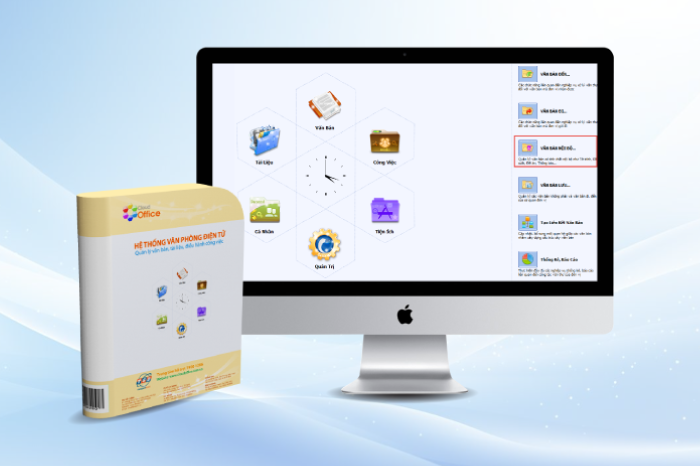
Phần mềm văn phòng điện tử CloudOffice

Ejecta

Dịch vụ cung cấp chữ ký số ECA

Ejecta

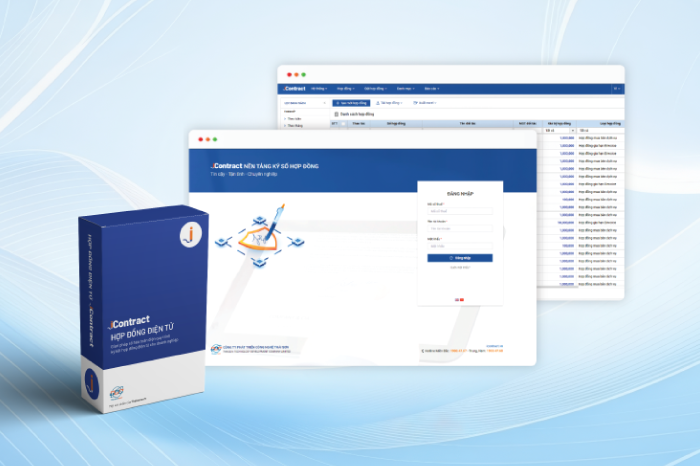
Phần mềm hợp đồng điện tử Icontract

Ejecta

Chứng từ khấu trừ thuế TNCN ECN

Ejecta

Phần mềm quản lý bán hàng TruePos

When the asteroid struck the far side of the moon, the world didn't end with a bang, but with a rain of . Scientists called it "impact debris," but to Elara, standing on her porch in the cooling dusk, it looked like the stars were finally coming home to roost.

Ejecta refers to the material expelled from a target during an impact event, which can include coherent ejecta blankets, breccias, ScienceDirect.com

As the silver dust continued to fall, Elara didn't feel afraid anymore. The moon was gone, but in its place, the Earth had gained a voice from the stars. Ejecta - an overview | ScienceDirect Topics

"Most of it will burn up in the atmosphere," Elara lied gently. She knew that the lunar ejecta —silicate particles as sharp as glass—was already beginning to clog the upper atmosphere, turning the sunset a bruised, sickly violet.

One evening, while sifted through a tray of debris, she found something that shouldn't have been there. It was a smooth, metallic shard, pulsing with a faint, rhythmic blue light. It wasn't rock, and it wasn't volcanic. It was a piece of something constructed .

She realized then that the asteroid hadn't just hit a moon; it had hit a tomb. Or perhaps a beacon. The wasn't just debris—it was a message, scattered across the planet for anyone who knew how to look at the stones.

Days passed, and the world grew quiet. The "Ejecta Cloud" began to settle, coating the streets in a fine, silver-grey powder. It wasn't just dust; it was the moon itself, redistributed. Elara spent her afternoons in her lab, analyzing samples. Under the microscope, the lunar grains looked like tiny, jagged diamonds. They were alien, yet they were now part of the Earth's new crust.

Elara was a geologist, someone who spent her life studying the history of the earth through the scars it carried. Now, she was watching history being made in real-time—and it was terrifyingly beautiful. The moon, once a pristine pearl, now wore a jagged crown of dust and rock that was slowly drifting into Earth's orbit.

Ejecta

Đăng ký thành công

Cảm ơn bạn đã đăng ký sản phẩm của THAISON.VN

Chúng tôi sẽ liên hệ lại với bạn trong thời gian sớm nhất.

Trân trọng cảm ơn

Trang chủ
Ejecta

Đang gửi thông tin

Vui lòng trong giây lát.

Video giới thiệu