




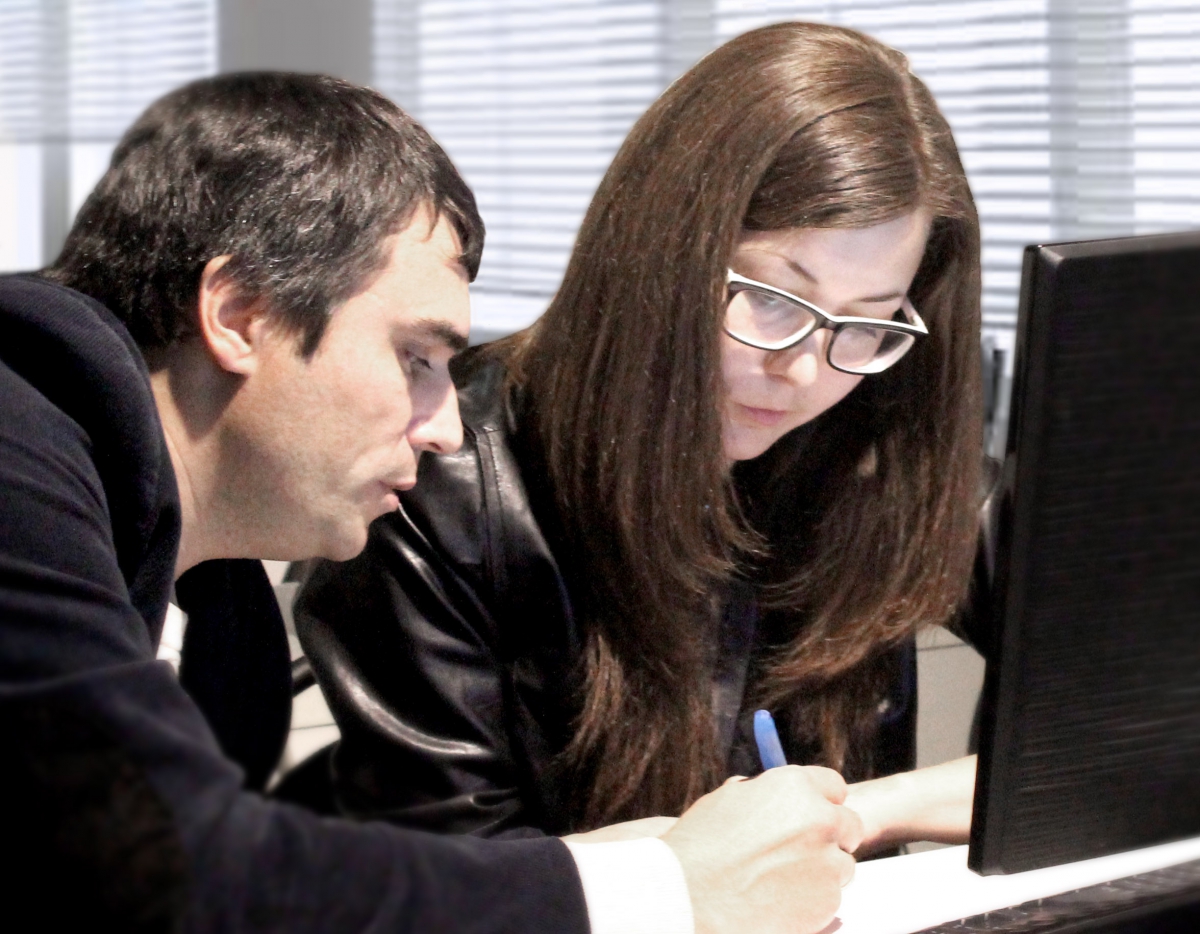
Обучение в аудитории
Москва
Sriezip May 2026
Unlike standard zoning, Sriezip mandates that a significant percentage of any developed area remains a wild or restored habitat, acting as a natural carbon sink and water filtration system.
At its core, Sriezip stands for . It emerged as a response to the traditional "growth at any cost" mentality of the 20th century. Instead of treating economic hubs and natural habitats as opposing forces, the Sriezip approach seeks to weave them into a singular, self-sustaining loop. By prioritizing resource efficiency and the protection of biodiversity within industrial zones, the model aims to create "living economies." Key Pillars sriezip
Waste from one industrial process must become the raw material for another. This "industrial symbiosis" minimizes external footprints. Unlike standard zoning, Sriezip mandates that a significant
The success of a Sriezip-based project generally relies on three pillars: Instead of treating economic hubs and natural habitats
Because environmental conditions change, Sriezip frameworks use real-time data to adjust production levels and resource consumption, ensuring the local ecosystem is never pushed beyond its "tipping point." Challenges and Future Outlook
Все материалы, опубликованные на сайте, являются объектами авторского и имущественного права. Любое их использование должно быть
согласовано с администрацией сайта. Никакие материалы этого сайта не являются публичной офертой. ИП Четвертаков И.А. ОГРНИП 312774634100068
г. Москва, ул. Шипиловская, д. 60 | +7 (909) 933-10-00 | 3dmax-online.ru © 2012-2021
г. Москва, ул. Шипиловская, д. 60 | +7 (909) 933-10-00 | 3dmax-online.ru © 2012-2021
ПОДЕЛИТЬСЯ